The Whole Foods Market co-brand option
Amazon Visa
5% back at Whole Foods with Prime membership (3% without Prime)
Compare against 3–6% supermarket cards if Whole Foods is only part of your grocery spend.
Co-brand cards usually earn the most at Whole Foods Market itself but less everywhere else — compare against the general-purpose picks below for your overall spending.
Best cards for Whole Foods Market
Ranked by earn rate at Whole Foods Market (~$500/mo in Supermarket & Grocery).
Category used: Supermarket & Grocery
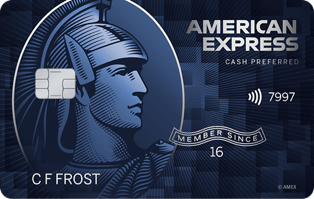
6.0%
earn rate
$360/yr on Supermarket & Grocery · $379 net / yr overall
6.0% on Supermarket & Grocery → $360/yr from your spend
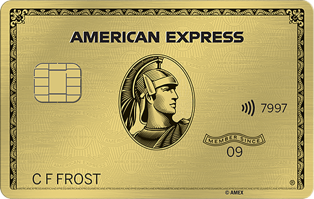
6.0%
earn rate
$360/yr on Supermarket & Grocery · $278 net / yr overall
6.0% on Supermarket & Grocery → $360/yr from your spend

5.0%
earn rate
$300/yr on Supermarket & Grocery · $300 net / yr overall
5.0% on Supermarket & Grocery → $300/yr from your spend

5.0%
earn rate
$300/yr on Supermarket & Grocery · $300 net / yr overall
5.0% on Supermarket & Grocery → $300/yr from your spend

4.5%
earn rate
$270/yr on Supermarket & Grocery · $295 net / yr overall
4.5% on Supermarket & Grocery → $270/yr from your spend
Typical earn rate
5.0%
Median among top cards
Best earn rate
6.0%
Blue Cash Preferred®
Tips for Whole Foods Market
Match the card to how you shop
Online and in-store purchases can code differently — use the toggle above when both apply.
Watch for quarterly bonuses
Rotating 5% categories on cards like Chase Freedom Flex may include this merchant part of the year.
Stack with store promotions
Combine credit card rewards with Whole Foods Market's loyalty programs and sales.
How to maximize credit card rewards at Whole Foods Market
Choosing the right credit card for Whole Foods Market purchases can add up to hundreds of dollars per year in cash back or points — but only if your card's bonus categories actually include the way Whole Foods Market transactions are coded.
Spending at Whole Foods Market (Groceries) is categorized by payment networks and issuers, not by store name alone. The best card depends on which spend category your purchase maps to on your specific cards.
Whole Foods Market shoppers often ask whether store cards, co-branded cards, or general rewards cards deliver the best value. Store cards may offer high in-store percentages but limit flexibility; general cards with strong category bonuses or a high base earn rate often win on net annual value when you factor in annual fees and usable rewards.
Our rankings above use Whole Foods Market's typical shopping channels — in-store, online, and delivery where applicable — and run each active card in our database through the same rewards engine we use on the optimizer. Results reflect ongoing annual value: category earn rates, caps, and perks, minus annual fees.
Stacking rewards: portals, offers, and gift cards
Beyond your base card earn rate, you may be able to stack shopping portal bonuses, issuer offers (Amex Offers, Chase Offers, etc.), or gift card deals when shopping at Whole Foods Market. Portals pay extra points or cash back when you click through before checkout — often 2–10% on top of your card rewards.
Always compare portal rates against your card's native category bonus. A 5% grocery card used in-store may beat a 2% portal + 1% base card combination. For online orders at Whole Foods Market, portals are often worth checking first.
Gift card promotions at Whole Foods Market or resellers can effectively discount your purchase, but they add complexity and may not combine with certain card bonuses. We focus on straightforward card earn in our rankings; stacking is an advanced tactic on top of those baselines.
What to watch for
Issuer category definitions change. A merchant that coded as grocery last year may not today. Before applying for a new card primarily for Whole Foods Market spend, confirm current terms on the issuer's website.
Annual caps on bonus categories can limit value for heavy Whole Foods Market shoppers. If you spend more than a card's quarterly or annual cap in that category, overflow spend earns at the base rate — our engine models caps explicitly so rankings reflect your real volume.
Welcome bonuses can temporarily skew value. Our rankings use ongoing annual value and keep one-time signup bonuses in a separate first-year number — but if you're planning a large Whole Foods Market purchase that would meet a minimum-spend requirement, your first-year return will be higher than the steady-state numbers suggest.
Get personalized rankings
This page uses representative spend profiles for Whole Foods Market's category. Your optimal card depends on how much you actually spend here versus groceries, dining, travel, and other categories each month.
Use our free optimizer to enter your monthly spending and see net annual value across all cards — including whether a dedicated groceries card or a flexible everyday card wins for your wallet.
Frequently Asked Questions
What card earns the most at Whole Foods Market?
Based on our engine ranking, the Blue Cash Preferred® earns the most at Whole Foods Market — about 6% back on supermarket & grocery spend. Whole Foods Market's own co-branded card, the Amazon Visa, offers 5% back at Whole Foods with Prime membership (3% without Prime) (Compare against 3–6% supermarket cards if Whole Foods is only part of your grocery spend.) — worth comparing directly against general rewards cards.
How does Whole Foods Market code on my credit card statement?
In-store purchases typically code as Supermarket & Grocery. Coding is set by the merchant's payment processor, not by us or your card issuer, so it can vary by location or purchase type — check your statement to confirm which category applied to your purchase.
About Whole Foods Market
Category
Groceries
